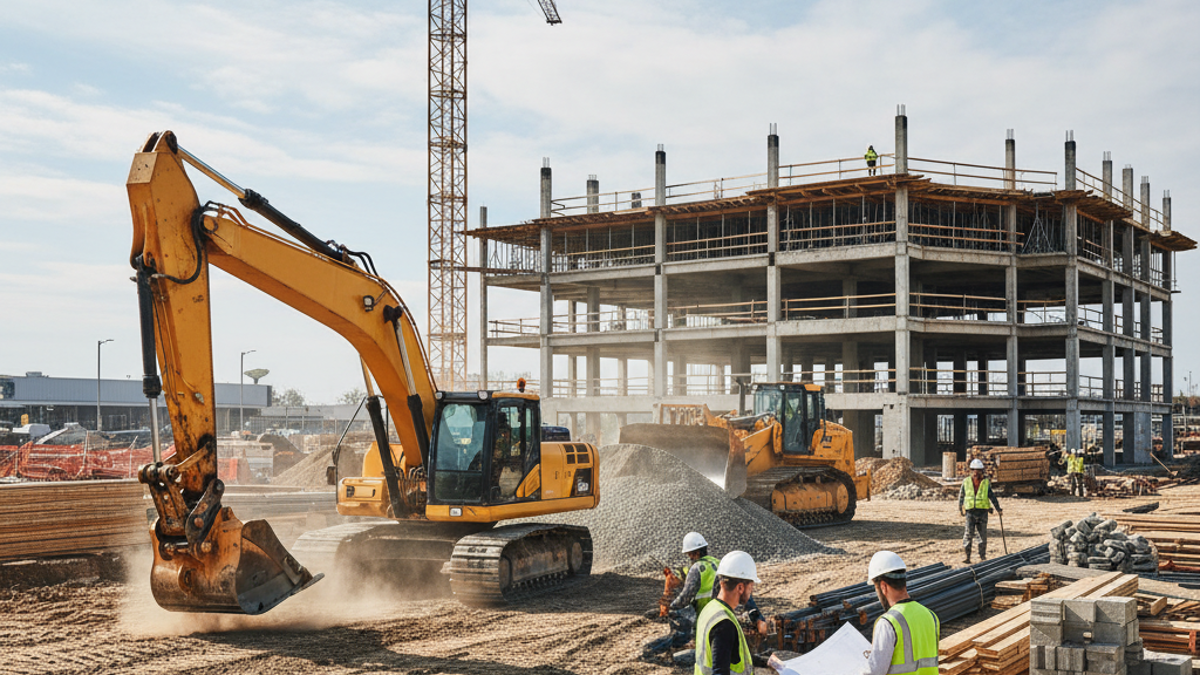
In the dynamic world of construction, managing cash flow is paramount to a project's success. Starting a project with a strong financial foundation can make all the difference, preventing delays, ensuring material availability, and maintaining contractor morale. This often begins with successfully negotiating upfront payments, including down payments and mobilization funds. For project managers, billing administrators, and finance teams, understanding the value of these initial payments and how to secure them is a critical skill that directly impacts your project's trajectory and overall profitability.
Why Upfront Payments Are Essential for Construction Projects
Imagine starting a complex project without the immediate funds to cover initial costs. This scenario is a common challenge that can quickly lead to financial strain and project delays. Upfront payments, whether a down payment or mobilization fee, serve as a crucial financial injection at the very beginning of a project. They help bridge the gap between initial expenditures and the first progress payment, ensuring that essential activities can commence without delay. This proactive approach to construction billing is not just about convenience; it's about strategic financial management.
A healthy initial cash position allows contractors to:
- Procure Materials Promptly: Secure necessary materials at competitive prices, avoiding future price hikes or supply chain delays.
- Mobilize Crews and Equipment: Cover the costs of transporting personnel, machinery, and tools to the job site efficiently.
- Cover Initial Overhead: Pay for permits, insurance, site setup, and other administrative costs without dipping into operational reserves.
- Build Trust and Confidence: A client's willingness to provide upfront funds often signals a commitment to the project and a healthy working relationship.
Without these initial funds, contractors might be forced to self-finance the project's start, potentially straining their working capital and increasing financial risk. This directly impacts the project cash flow, making it negative from the outset.
Understanding Down Payments and Mobilization Funds
While often used interchangeably, down payments and mobilization funds serve distinct, yet complementary, purposes in construction billing.
Down Payments
A down payment is typically a percentage of the total contract value paid by the client to the contractor at the contract signing or commencement of work. It acts as an advance against the total contract sum. Its primary purpose is to provide the contractor with immediate working capital to kickstart the project. This payment is usually deducted proportionally from subsequent progress payments or the final payment.
Key characteristics of down payments:
- Percentage of the total contract.
- Provides general working capital.
- Reduces overall financial risk for the contractor.
- Often a standard practice for smaller projects or specific types of contracts.
Mobilization Funds
Mobilization funds, on the other hand, are specifically allocated to cover the direct costs associated with preparing the job site and bringing resources to bear. These are not an advance on the total work but rather a reimbursement for specific, initial, non-recurring costs. Examples include:
- Site preparation and clearing.
- Setting up temporary facilities (offices, storage, utilities).
- Transporting heavy equipment and machinery.
- Initial safety measures and signage.
- Setting up job site security.
Mobilization is often a separate line item in the Schedule of Values (SOV) and is billed and paid early in the project lifecycle. Unlike a down payment, mobilization funds are typically a fixed amount or a percentage of the contract specifically tied to these preparatory activities.
Preparing for the Upfront Payment Conversation
Approaching a client about upfront payments requires preparation and a clear justification. It's not about demanding money; it's about presenting a logical, mutually beneficial financial strategy.
Do Your Homework
- Understand Project Needs: Detail the exact costs that need to be covered upfront. This includes material deposits, equipment rental, initial labor, permits, and site setup.
- Review Contract Terms: Familiarize yourself with standard payment terms in your industry and any specific clauses in your proposed contract.
- Assess Client Relationship: Consider the client's past payment history and your established relationship. A new client might require more detailed justification.
Build a Compelling Case
Your proposal for upfront payments should be robust and transparent. Use clear, concise language to explain the 'why'.
- Detailed Cost Breakdown: Provide a clear breakdown of how the upfront funds will be utilized. For mobilization, list specific items like equipment transport, site office setup, and initial safety installations. For down payments, explain how it supports immediate material procurement and resource allocation.
- Highlight Benefits: Emphasize how upfront payments benefit the client. This includes accelerated project start, reduced risk of delays due to material shortages, better pricing on bulk orders, and ultimately, a smoother project execution. Connect it directly to a positive project cash flow from the client's perspective too, by showing how it prevents future cost escalations.
- Reference Industry Standards: If common in your sector, mention that upfront payments are standard practice for projects of similar scope.
- Propose Fair Terms: Suggest a reasonable percentage or fixed amount. Be prepared to explain how the payment will be reconciled in subsequent construction billing cycles.
Strategies for Successful Negotiation
Negotiating upfront payments doesn't have to be confrontational. Frame it as a collaborative discussion aimed at setting the project up for success.
Be Transparent and Justify
Openly discuss your financial needs and how they directly contribute to the project's success. Avoid vague statements. For example, instead of saying, "We need a down payment," explain, "A 10% down payment allows us to immediately secure the specialized long-lead time materials for Phase 1 at current market rates, preventing potential delays and cost increases down the line."
Offer Alternatives or Flexibilities
If a client is hesitant about a large lump sum, consider proposing alternatives:
- Staged Mobilization Payments: Break down the mobilization fee into two or three smaller payments tied to specific milestones (e.g., 50% upon contract signing, 50% upon equipment arrival).
- Material-Specific Advances: Request a direct advance specifically for high-cost, long-lead materials, with invoices provided for transparency.
- Reduced Percentage: Be open to negotiating the percentage of the down payment if the client has valid concerns.
Address Client Concerns Proactively
Clients' primary concerns often revolve around risk and trust. Be ready to address these:
- Performance Bonds/Guarantees: Offer a performance bond or payment bond if it helps alleviate concerns about the upfront payment.
- Escrow Accounts: Suggest placing the upfront payment into an escrow account, to be released upon specific milestones or as expenditures are verified.
- Detailed Reporting: Commit to providing detailed reports or invoices demonstrating how the upfront funds are being utilized. This transparency builds confidence.
Leverage Your Track Record
If you have a history of successful projects and strong financial management, use it. Highlight positive client testimonials or project outcomes that demonstrate your reliability and efficiency.
Setting Your Project Up for Long-Term Cash Flow Success
Successfully securing upfront payments is more than just a one-time win; it's a strategic move that fundamentally improves your project cash flow from day one. A positive cash position at the start allows you to:
- Avoid Financing Costs: Reduce or eliminate the need for short-term loans or lines of credit to cover initial expenses, saving on interest and fees.
- Improve Vendor Relationships: Pay suppliers and subcontractors promptly, which can lead to better pricing, priority service, and stronger partnerships.
- Enhance Employee Morale: Ensure payroll is met on time, fostering a stable and motivated workforce.
- Mitigate Future Risks: Have a financial buffer to absorb unexpected costs or minor delays without derailing the entire project budget.
- Streamline Construction Billing: With initial costs covered, subsequent progress billing can focus on work completed, simplifying administration and reducing disputes.
By effectively negotiating down payments and mobilization funds, you're not just asking for money; you're investing in the project's stability, efficiency, and ultimate success. This proactive financial management sets a positive tone for the entire project, benefiting both the contractor and the client.
Mastering the art of negotiating upfront payments is a valuable skill for any construction professional. It requires clear communication, robust justification, and a focus on mutual benefits. By securing these critical funds, you lay the groundwork for a project that operates smoothly, stays on schedule, and maintains a healthy financial standing from kickoff to completion.
Ready to simplify your construction billing?
Start creating professional pay applications in minutes.
Start Free TrialSubscribe to our newsletter
Get the latest tips and tutorials delivered to your inbox.